
Home Organization
Custom Sewing Room Cabinetry in Lexington, KY
Lexington Custom Cabinets designs and builds custom sewing-room cabinetry for homeowners who want machines, fabric, thread, notions, cutting, pressing, and project storage organized around the way they sew. We create machine stations, cutting tables, drawer banks, fabric storage, tall cabinets, open shelving, fold-away work areas, and mixed-use rooms around the equipment and design direction you want.
Request a free quote
Tell us the room and rough size.
Custom Sewing Room Cabinetry Lexington KY
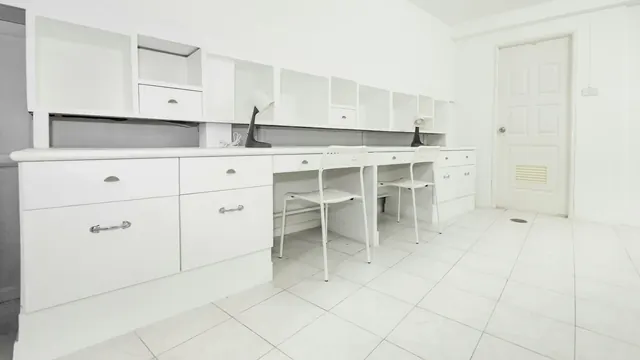
A sewing room can feel like a finished studio rather than a utility room. Painted cabinetry, natural wood, contrasting work surfaces, glass-front display, open shelving, integrated lighting, and coordinated hardware can create a bright contemporary workspace or a warmer furniture-like room. We review materials and finish samples with the flooring, wall color, and adjoining spaces so the cabinetry feels intentional.
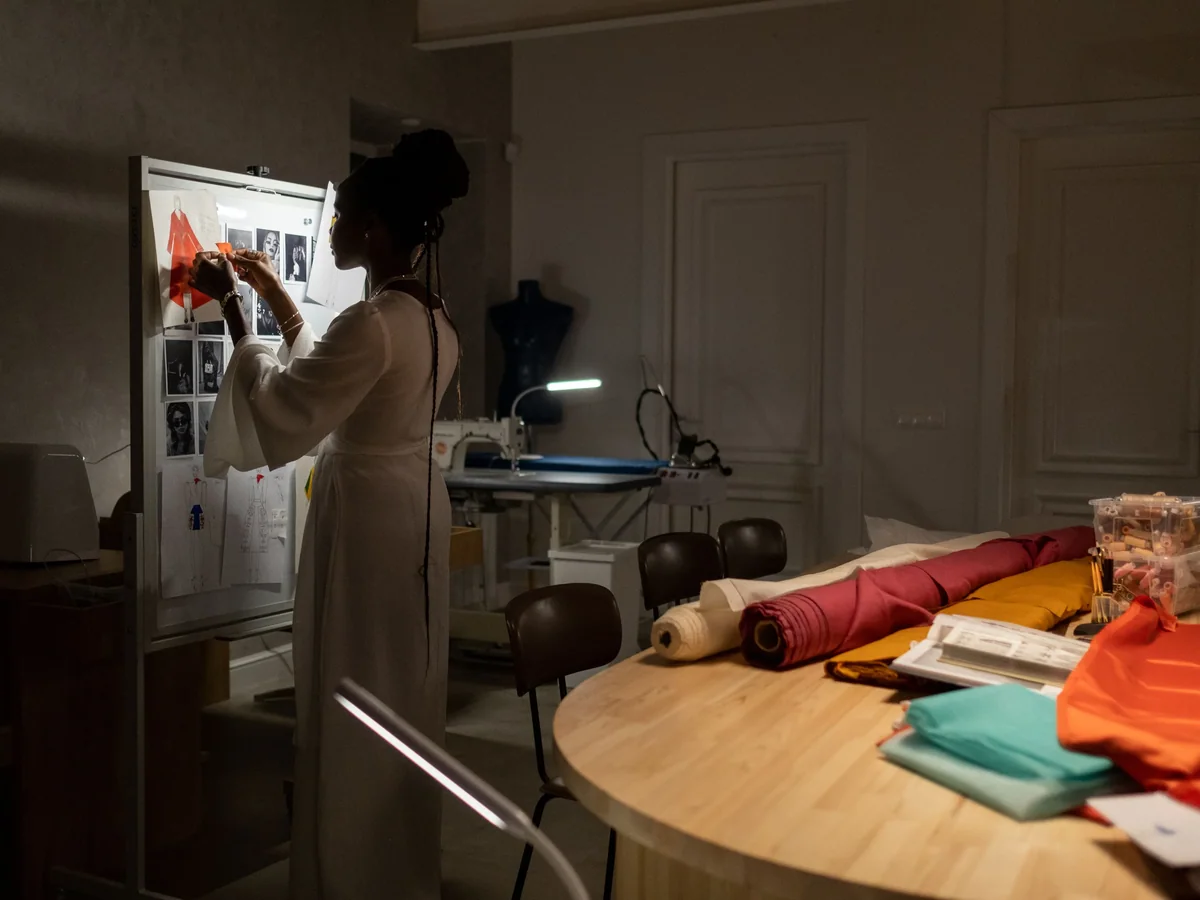
The layout is developed around the equipment and workflow. Sewing machines, sergers, embroidery machines, cutting tools, irons, fabric bolts, folded fabric, patterns, thread, and works in progress all need different storage. We can combine seated machine stations with standing work surfaces and concealed storage so the room supports the craft without becoming visually crowded.
In Lexington, sewing rooms are often created from spare bedrooms, bonus rooms, or flex spaces. Older homes may bring smaller rooms and substantial trim to work around, while newer houses can offer larger flexible rooms that need more architectural definition. Custom cabinetry lets the studio fit the specific setting.
Types of Sewing Room Cabinetry We Build
Machine Lift Cabinets
A cabinet with an airlift or manual lift platform that drops the machine to flush-bed height, with a filler plate for when it is stowed.
Cutting Tables
A standing-height table, often with storage beneath, sized so a full fabric width can be laid out and squared.
Fabric and Bolt Storage
Shelving sized to folded fabric or upright bolt storage, depending on how much you keep and in what form.
Notion and Thread Storage
Shallow drawers and dowel racking for the enormous number of small items sewing generates.
Serger and Second Machine Stations
A secondary surface for an overlocker or embroidery machine, so machines do not have to be swapped in and out.
Sewing Room Features and Accessories
Airlift Machine Platforms
A lift mechanism that raises the machine to free-arm, flat-bed, or stowed position. Sized to the specific machine, since machines differ substantially.
Thread Spool Racking
Dowel racking holding spools upright and visible, in thread order rather than in a drawer.
Shallow Notion Drawers
Two to three inches deep, so bobbins, feet, needles, and markers sit in one visible layer.
Pressing Stations
A heat-resistant surface for an iron, ideally near the machine rather than across the room, with power at the surface.
Pattern and Cutting Mat Storage
Vertical slots for patterns and flat storage for cutting mats, which warp if stored on edge unsupported.
Drawer, Door and Work Surface Options
Drawer Banks
The dominant storage element, in graduated depths from very shallow for notions to deeper for fabric.
Glass-Front Uppers
So fabric and thread are visible without opening doors, which genuinely affects what gets used.
Closed Doors
Where the sewing room doubles as a guest room and the work needs to be shut away between sessions.
Fold-Down Extensions
Hinged surface extensions that support large work and fold away, for rooms too small for a permanent full-size table.
Sewing Room Materials and Finishes
The work surface takes pins, blades, and a hot iron nearby, so a hard laminate or sealed hardwood outperforms a painted surface, which will mark and chip at the edges. The machine surround in particular wants a hard, smooth finish because fabric slides across it constantly and any texture drags. Cabinetry is usually painted maple or poplar. Light interior finishes help considerably with finding dark thread and small notions. Drawer boxes are dovetailed as elsewhere, which matters because a drawer full of fabric is genuinely heavy.
Sewing Room Design Directions
Dedicated Studio
A full wall run with machine station, cutting table, and fabric storage. The complete version for a serious sewer or quilter.
Compact Sewing Nook
A single cabinet with a machine lift and drawer storage, for a corner of another room.
Quilting Room
Built around a large cutting table and a long-arm machine if there is one, with substantial fabric storage.
Dual-Purpose Room
Closed cabinetry that shuts everything away, for a room that also serves as a guest room or office.
Before We Build Your Sewing Room
Sewing cabinetry is more machine-specific than almost anything else we build, because the lift has to match the machine exactly. We confirm:
- Exact machine make and model, since lift platforms are cut to the machine's footprint
- Whether a serger, embroidery machine, or long-arm also needs a station
- Whether you cut standing or seated, which sets the cutting table height
- How fabric is stored now, folded or on bolts, since the two need different shelving
- Power requirements at both the machine and the pressing station
- Room dimensions for laying out full fabric width, commonly around 60 inches
How Your Sewing Room Project Works
Measure and specify the machine
We start with the machine, because the lift platform and the opening are cut to its exact footprint.
Drawings and samples
A layout showing both work surface heights, storage allocation, and machine positions, plus surface material samples.
Field verify
Machine dimensions, circuits, and surface heights confirmed against how you actually work before fabrication.
Build, finish, install
Built and finished off site, then set and scribed. We fit and test the lift with your machine before calling it done.
Common questions
Custom Sewing Room FAQs
What is a machine lift and do I need one?
What height should a cutting table be?
How should fabric be stored?
Can you build around my specific sewing machine?
Can a sewing room double as a guest room?
Get a quote on your sewing room
Send us your machine model and the room dimensions. The machine determines the lift, and the lift determines the cabinet.